
Built, running, and still on the phone with us.
Real engagements with real founders. Two are live, one we manage day to day. Two of them started as research. Every status below is the actual one.
Client engagements, across events, sport and industry.
Still ongoing, and both founded by retired professional cricketers.
Platform we built for ourselves, and now licence out.
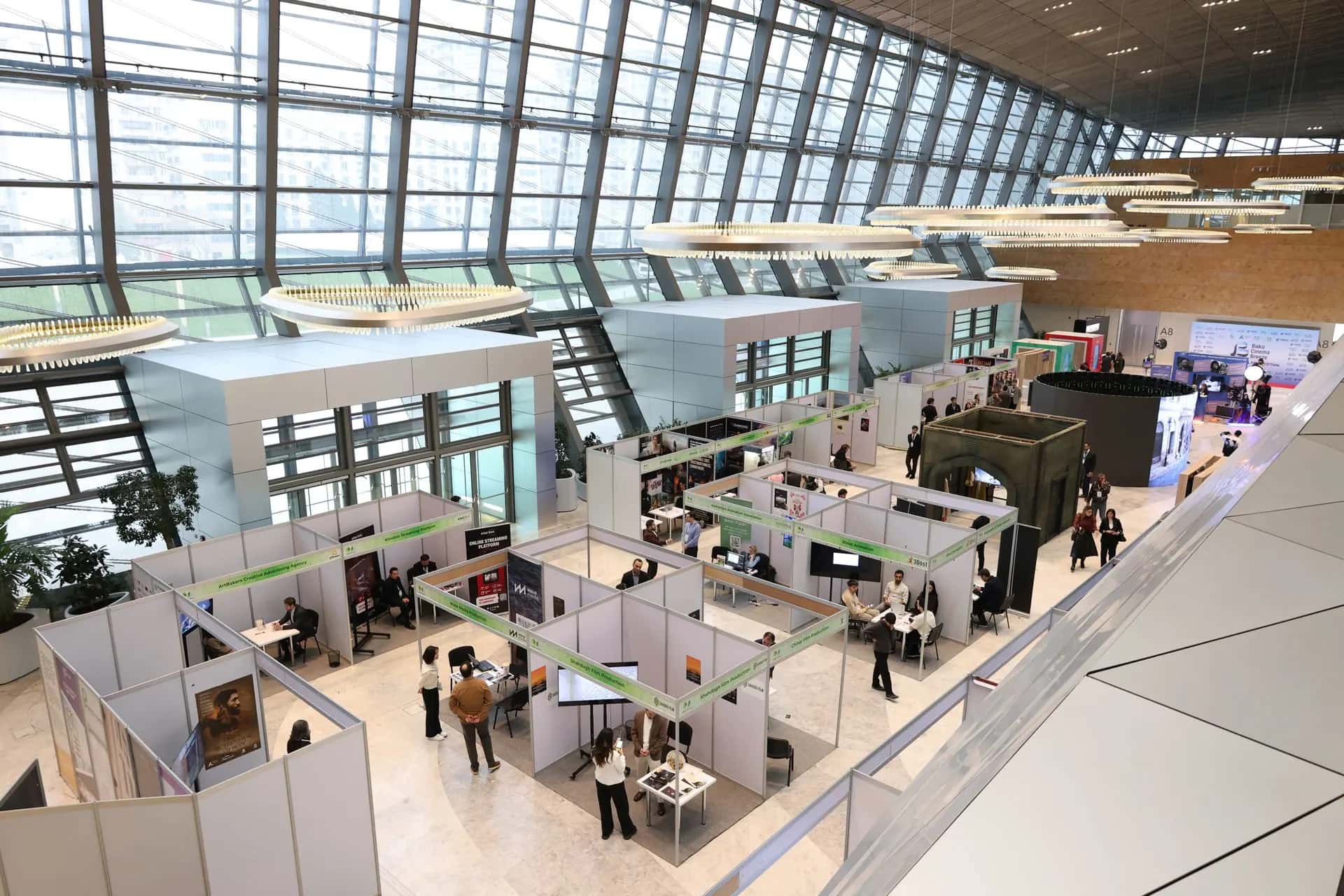

They needed exhibitors, not a mailing list.
GSP was chasing exhibitors by hand for every show. Finding them, qualifying them and following up was eating the week, and the follow-ups that mattered were the ones that slipped.
We built an automated lead generation system: it sources exhibitor prospects that fit the show, scores them, and runs the outreach and follow-up sequence without anyone having to remember.
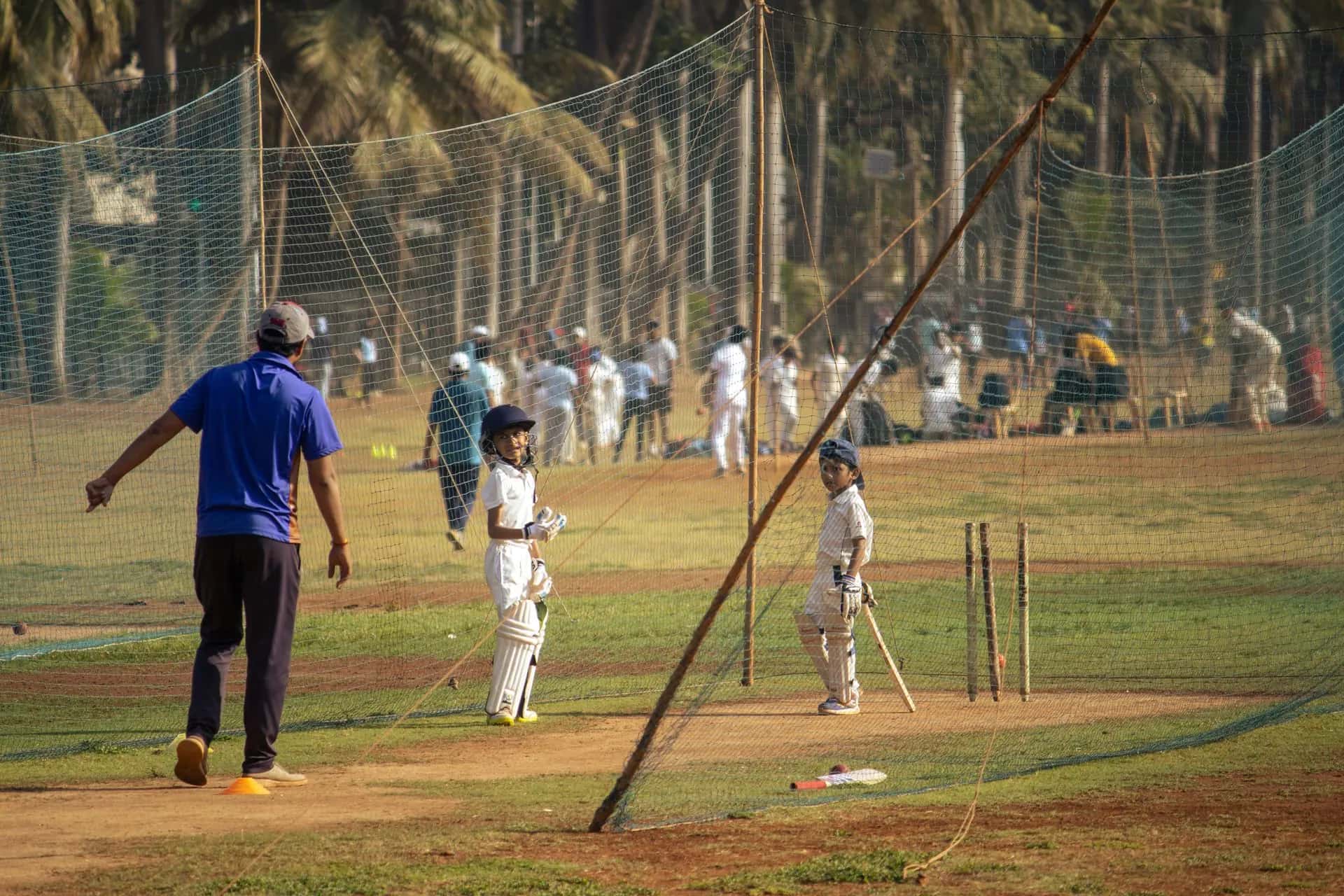
An academy run on paper, put on rails.
MS YTCA is a cricket academy founded by Shehzad Altaf, a retired professional cricketer. The coaching was excellent. Everything around it (registrations, schedules, records, the way the academy presented itself) was held together manually.
We built the brand, the website and the backend systems that carry the day-to-day, then stayed on to maintain them. One engagement, four pieces, still ours to answer for.



They did everything. Nobody could say what.
Eventime Sports supplies cricket gear and consults on the game, founded by Adnan Sabri, a retired professional cricketer. The problem was not capability. It was legibility: so many activities under one name that clients could not tell what they were buying.
We wrote the strategic plan that puts every activity in one clear order, then rebuilt the brand and the website around it. Both are ours to manage day to day.

Every build starts as a question.
We do not start writing code until we know who buys, how they decide and what the competition already does. Sometimes the research is most of the work. Two we have finished.
Which companies actually exhibit, and who signs off?
We mapped the exhibitor market for their show category, sized the addressable list and identified which job titles hold the budget. Desk research, competitor show audits and a scored shortlist.
How do buyers describe what they need?
We compared how competitors present themselves, then looked at the language buyers use for gear versus consulting. The gap between the two explained why one company doing both was being misread.
Research is quoted as its own piece of work. You keep the findings whether or not we build what comes next.
A quote out the door before the call ends.
QuickQuote is ours. We built it because quoting is where deals go cold: the job is won on the site visit and lost three days later when the paperwork finally arrives.
Quality quotes in minutes, from any device, anywhere. Invoicing follows the quote, and a tracking list tells you what is still open. You can licence it instead of commissioning one.

More platforms, apps and systems are in build.
We will list them here when they ship and not before. If you want to know what is coming, ask and we will tell you what stage it is at.
We read the market inside the GCC and outside it.
What works elsewhere usually arrives here 18 months later. We track it, test it, and put it into client work while it still counts as an advantage.
Former researchers, and professionals who still care.
The team is small and senior by choice. It includes people who came out of research, and people who spent years inside industry before this. Nobody here is learning on your project.
That background is why we ask so many questions before quoting. A researcher wants the evidence before the conclusion, and it turns out that is also the cheapest way to build software.
People trained to find out rather than assume. It shows up in the questions on the first call.
Engineers, designers and operators who have run the systems they now build for other people.
Specialists join for the parts that need them. You always know who is on your project.
Abdullah is on the weekly call for the whole engagement. No account manager in between.